Corso di Sicurezza: Scorta, Protezione e Gestione Eventi
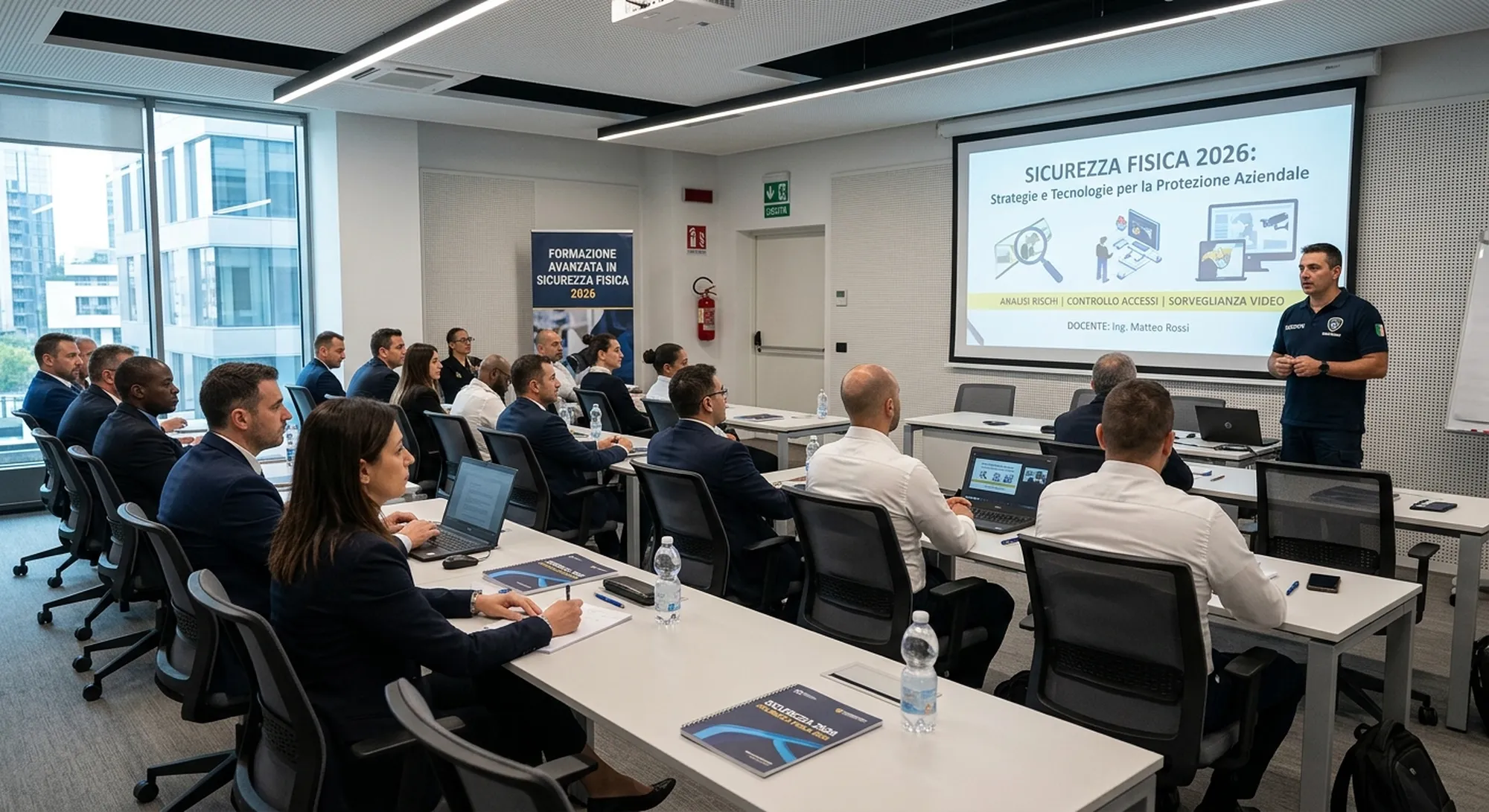
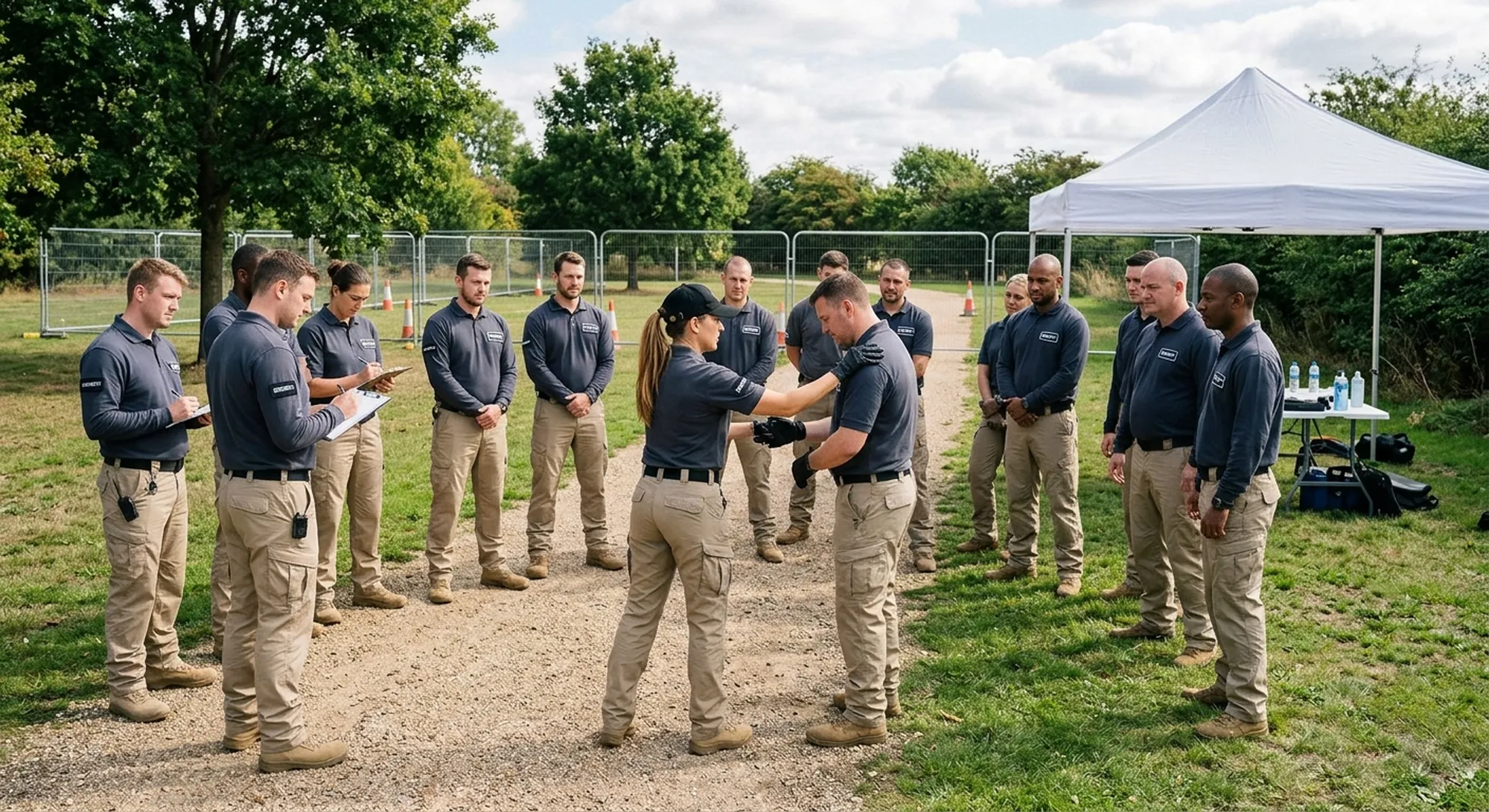
Close protection and security management at major events form an ecosystem where brute force is only the last resort. An outstanding protection service is built on a sophisticated architecture of intelligence, logistics, and applied psychology. The primary objective of an escort team, as we teach in this security course, is not combat, but designing a controlled environment that makes aggression impossible. This security training module is divided into three key areas, each sharing tactical foundations but requiring distinct relational and operational approaches.
The Architecture of Close Protection
La protezione di un individuo, definito “Principale”, inizia molto prima del suo movimento fisico. La fase cruciale è l’analisi del rischio, un processo che valuta la probabilità di minacce specifiche. Queste vanno dal tentativo di omicidio al semplice imbarazzo reputazionale. Una volta definito il profilo di rischio, si passa all’avanzata operativa. Gli uomini dell’anticipo bonificano ogni sito che il Principale visiterà. Studiano le planimetrie, le uscite di emergenza e la qualità delle infrastrutture mediche locali. Individuano i percorsi più rapidi verso gli ospedali dotati di rianimazione.
Theprofessional training in questa fase affina capacità di osservazione e pianificazione. Durante il movimento, la scorta si dispone in formazioni dinamiche che si adattano all’ambiente. In uno spazio aperto la formazione si espande per garantire copertura a 360 gradi. In luoghi affollati si stringe attorno al soggetto, creando una barriera fisica. La comunicazione nel team avviene spesso in modo non verbale o con segnali radio criptati essenziali, poiché la discrezione è fondamentale. In caso di aggressione, la dottrina impone la neutralizzazione solo se necessaria per la fuga. L’imperativo è “coprire e muovere”: fare scudo al Principale e spostarlo subito in un’area sicura predefinita, senza farsi bloccare in uno scontro prolungato.
Private and Corporate Event Security Management
In the corporate context, security blends diplomacy with protocol. A corporate event demands that the operative be virtually invisible, blending in with staff while maintaining the highest level of alertness. Here, protection extends to information. Managing corporate security includes electronic counter-surveillance (TSCM) of meeting rooms to prevent industrial espionage. The threat is not only the physical intruder but also those attempting to steal industrial secrets or confidential documents. Through targeted professional training, participants learn to merge seamlessly with their surroundings without ever lowering their guard.
Managing crowds at high-profile private events demands a profound understanding of mass psychology. Operatives must be able to identify anomalous behaviour before it triggers chain reactions. Guest screening must be conducted with firmness and utmost courtesy, ensuring the flow does not create dangerous bottlenecks. The evacuation plan must be modular, with graduated alarm thresholds—ranging from the removal of a disruptive individual to a full-scale clearance in the event of fire or a terrorist threat.
The Complexities of Institutional Events
When protection involves state officials or diplomatic delegations, security becomes institutional. Protocol is as rigid as the tactics employed. Collaboration between private agencies and state law enforcement is the cornerstone. The area is divided into concentric security rings: an outer perimeter for traffic control, an intermediate one for technical screening with metal detectors and canine units, and an inner perimeter—the 'bubble'—accessible to very few. Our operational training courses prepare personnel to operate in this complex environment, where coordination with law enforcement is essential. For further details on security provisions for public events, refer to the guidelines issued by the Department of Public Security.
At institutional events, every detail is codified: from the order in which individuals exit vehicles to the positioning of security personnel during speeches. The operative must possess a broad institutional and general knowledge to adapt seamlessly to high-level environments. The primary challenge remains the 'transition points,' such as exiting an armoured vehicle—moments of maximum vulnerability. In this security training programme, perfection does not stem from individual courage but from the ability to coordinate hundreds of variables into a cohesive flow of total protection.
Request a complimentary investigative consultation
Don’t leave anything to chance. Speak with an expert investigator and receive a tailored action plan immediately.
Operational nationwide
Our investigative agency is strategically located in Sesto San Giovanni, in the province of Milan. From here, we coordinate nationwide investigations, ensuring prompt and direct intervention across Italy’s key provinces.