Corso Gestione Crisi
Crisis management represents the highest level of security, where individual tactics merge with organisational strategy. A crisis is a sudden, low-probability yet high-impact event that threatens an organisation’s objectives. Crisis Management governs chaos to restore an out-of-control situation to resolution. This security course prepares leaders for decisive action in critical scenarios. Managerial security training is central here, equipping professionals to coordinate teams, resources, and intelligence.
Risk Analysis and Pre-Event Planning
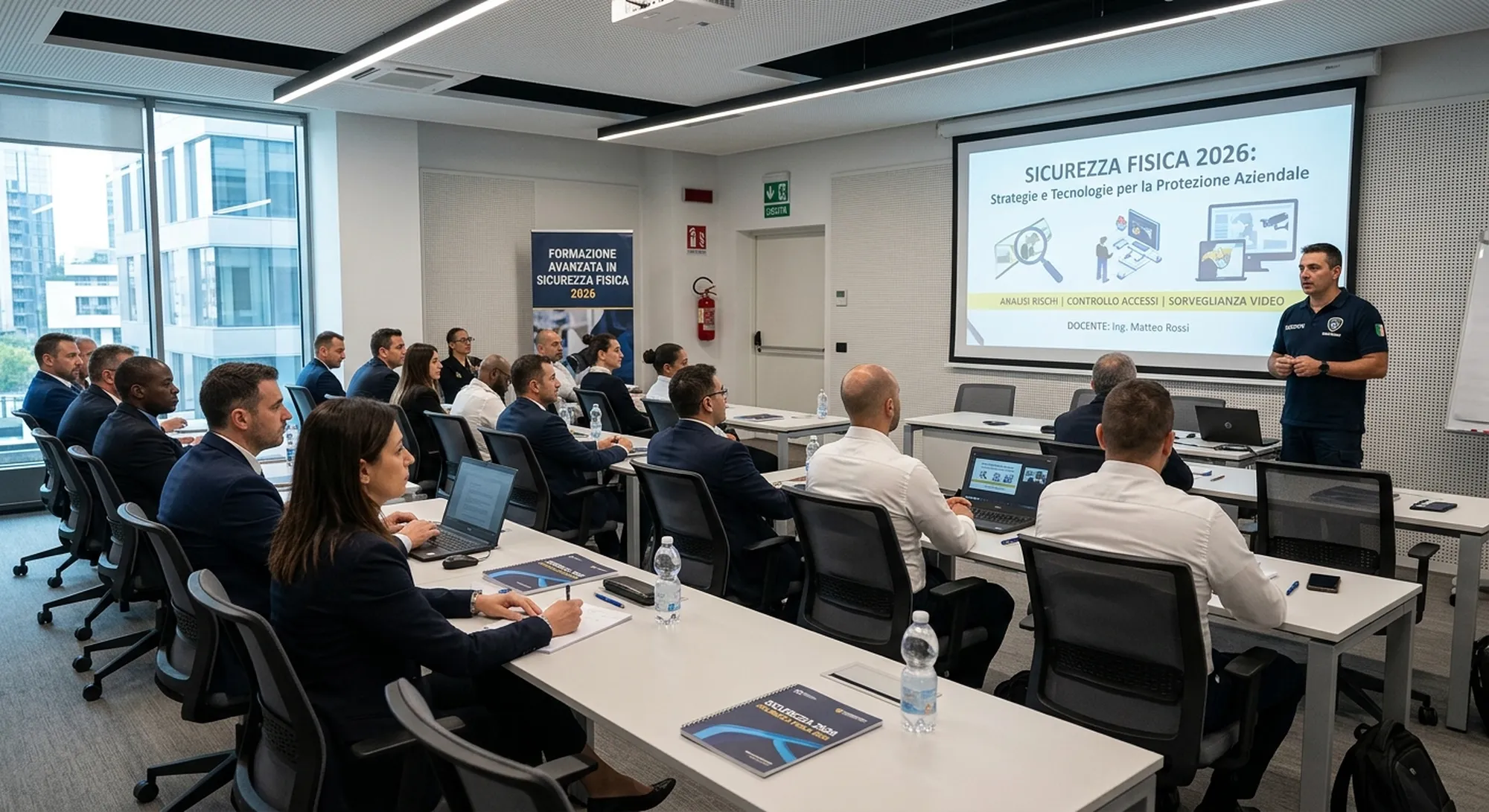
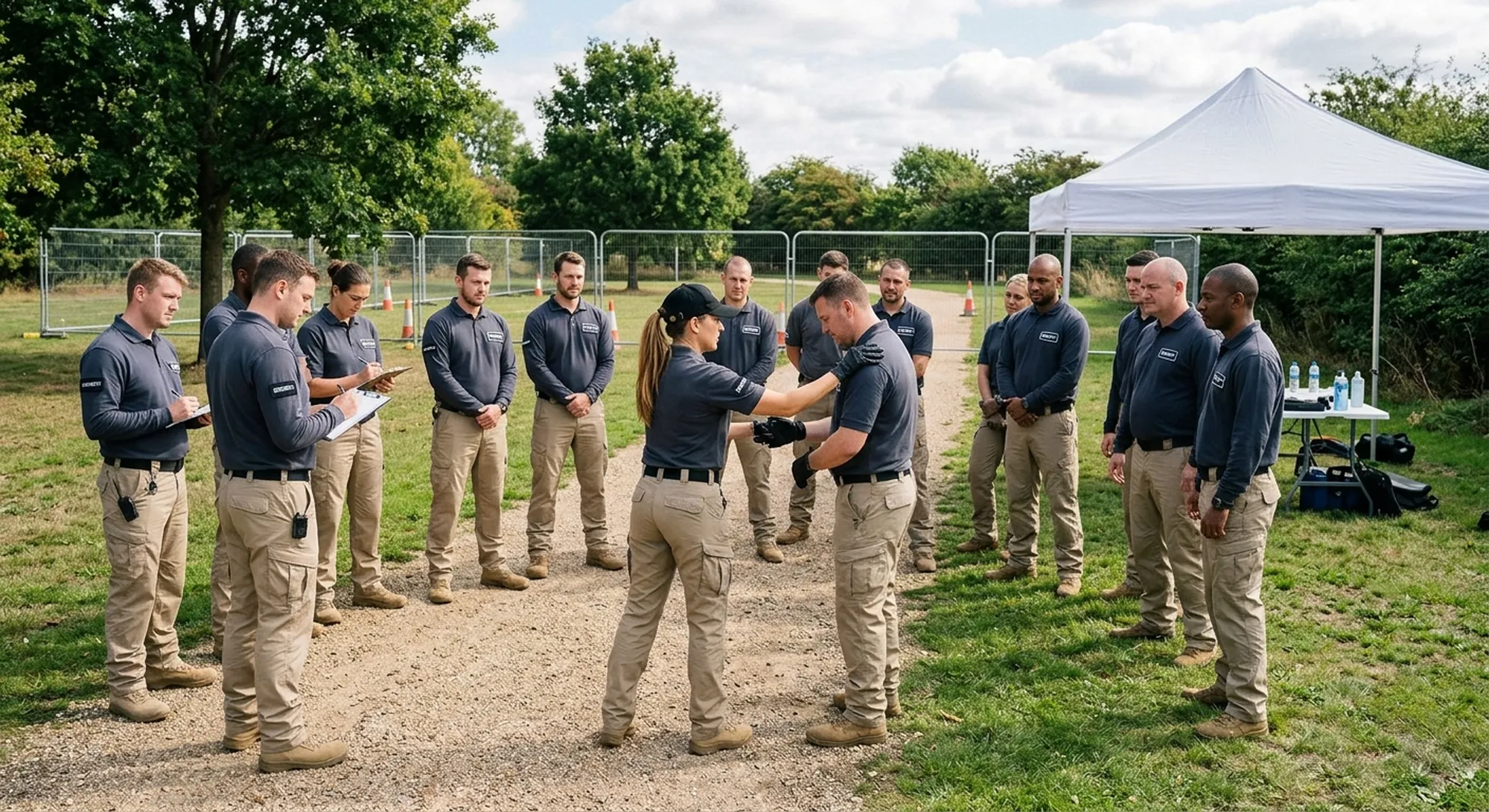
Crisis management begins long before the event itself. The cornerstone is Risk Assessment, an analytical process that identifies vulnerabilities. The crisis management team develops dynamic contingency plans, not static manuals. These plans define the chain of command, priority communication channels, and escalation procedures. Professional training includes regular drills to test the organisation’s response.
A core component is the Crisis Management Team (CMT), comprising security experts, legal advisors, communications specialists, and senior decision-makers. The team trains through simulations and stress tests to assess the resilience of protocols. The objective is to minimise response times: every second of decisional uncertainty compounds the damage.
Response Phases: Controlling the Chaos
When a crisis erupts—whether kidnapping, terrorist attack, disaster, or data breach—the response follows sequential phases. The first is Containment, to prevent the crisis from escalating. The absolute priority is to save lives, then stabilise the environment. Operational crisis management courses teach how to make rapid decisions with incomplete information.
The crisis leader must sift through fragmented and contradictory information to extract actionable intelligence. Rapid decision-making models apply: a good decision now is better than a perfect one too late. Resource management deploys personnel, assets, and technology as the situation evolves.
Crisis Communication and Stakeholder Management
A vital aspect is information management. With social media, a communications crisis can destroy a reputation more swiftly than the physical event itself. Communication must be transparent, authoritative, and timely. It is essential to fill the information void before speculation or fake news does, as these could trigger panic. Our professional training includes crisis communication techniques for spokespeople and managers.
The team spokesperson tailors the message for families, media, authorities, and the public. Maintaining collective calm is integral to crisis resolution. Should the public lose confidence in the chain of command, the crisis risks escalating into systemic collapse.
Recovery and Debriefing: Post-Crisis Learning
Once the critical event has passed, the Recovery phase begins to restore the system to normal operations. The process concludes with a rigorous post-mortem debriefing, where decisions, operational failures, and successes are analysed. The objective is not to assign blame but to convert experience into preventive intelligence. Resilience is measured by the ability to learn, refine protocols, and update training. Crisis management is the art of transforming an impending disaster into a manageable problem—through preparation and clarity of thought.
Request a complimentary investigative consultation
Don’t leave anything to chance. Speak with an expert investigator and receive a tailored action plan immediately.
Operational nationwide
Our investigative agency is strategically located in Sesto San Giovanni, in the province of Milan. From here, we coordinate nationwide investigations, ensuring prompt and direct intervention across Italy’s key provinces.