
IT sweeps and malware In Milan.
Forensic analysis of computers, servers, networks and mobile devices to identify and remove spyware, keyloggers, RATs and ransomware. Certified IT forensic expertise for businesses and individuals. Since 2017.
Malware Neutralized.
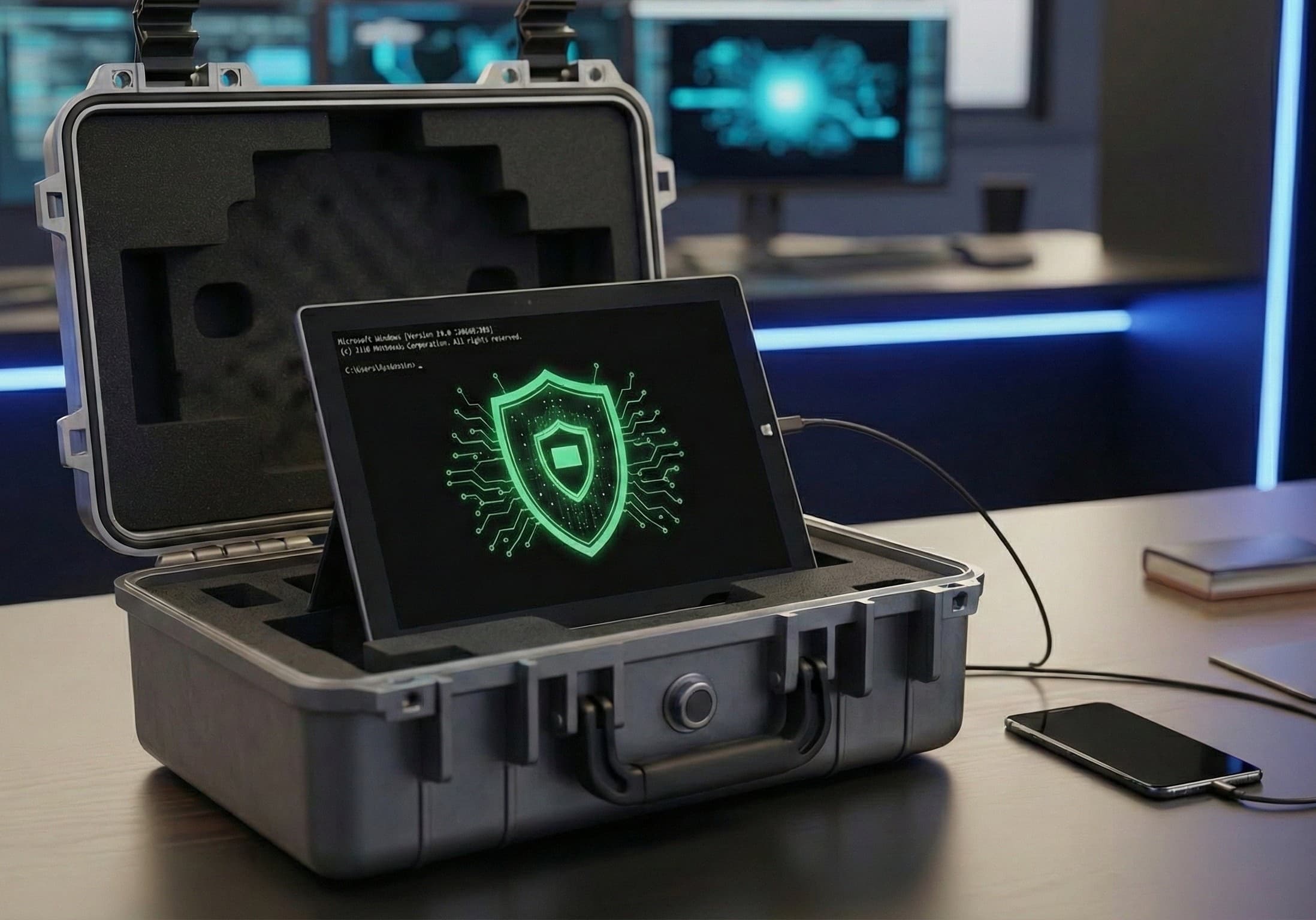
IT sweeps today represent the essential specialist response to counter malware, spyware and viruses that threaten the security of corporate infrastructures and individuals' privacy. In an ever‑connected world, digital security can no longer be entrusted solely to a standard antivirus or simple passwords.
In‑depth analyses are required to identify and neutralize malicious code, keyloggers and unauthorized access. A professional IT sweep performed by Arcadia Company delves deep into computers, smartphones, servers and networks with the aim of detecting spy software or suspicious modifications intended to steal sensitive data. Neglecting these checks exposes an organization’s information assets to serious risks of financial loss, industrial‑secret breaches and intrusions into private life.
What an IT sweep is and what it covers
An IT sweep is a comprehensive set of technical, investigative and forensic procedures aimed at verifying the security status of a device or an entire IT infrastructure. During the operation, the possible presence of malicious code, backdoors, compromised accounts or anomalies indicating a persistent infection is assessed. Unlike environmental sweeps, this type of intervention operates in the realm of bits and bytes, requiring specific expertise in operating systems, networks and cryptography.
Its scope is cross‑functional and includes:
- Personal computers and workstations: analysis of fixed and portable workstations, often the weak link in the security chain.
- Corporate servers and databases: inspection of critical infrastructures that host sensitive data, management systems and corporate know‑how.
- Email accounts and cloud: thorough checks on email accounts, increasingly targeted by phishing campaigns and abusive accesses.
- Wireless and wired networks: inspection of network data traffic to identify anomalies in the organization’s circulatory system.
The most insidious digital threats to detect
The cyber‑crime landscape evolves rapidly and remote‑control tools have become extremely accessible. Among the most insidious dangers tackled during IT sweep activities are:
- Spyware and stalkerware: hidden applications capable of logging every keystroke, capturing screenshots, activating microphone and camera, and tracking GPS location, sending logs to an external control panel.
- Hardware and software keyloggers: silent tools specifically designed to record banking credentials, passwords and confidential communications.
- Remote Access Trojans (RAT): malware that, disguised as legitimate files, create permanent access points in the system for the attacker.
- Ransomware and spy‑phishing: targeted attacks that bypass security policies to exfiltrate corporate data or encrypt files for extortion purposes.
Institutional security note: Unauthorized intrusion into computer systems and abusive access to third‑party data breach European regulations (GDPR) and the Penal Code. To understand the importance of digital compliance and data protection, the official guidelines on the website of the Garante per la Protezione dei Dati Personali can be consulted.
Corporate cyber security and protection of digital capital
For businesses, data constitute the core of economic activity and their integrity is indispensable. A leak of information about a new patent or the interception of confidential negotiations can destroy years of investment. IT sweeps are a cornerstone of corporate cyber security, complementing perimeter defence systems (such as firewalls and IPS) with active verification directly on endpoints, email servers and USB storage media.
The professional intervention goes far beyond ordinary software scanning. It includes network traffic analysis to identify anomalous outbound communications, searching for fraudulently created user accounts, cleansing of embedded computer viruses, and inspection of backup policies. In delicate moments such as lawful terminations or suspicions of unfair competition by former employees, a targeted sweep enables the collection of solid, immutable digital evidence. For this area see our Cyber security & forensics.
Personal, family protection and digital hygiene
Personal devices hold extremely sensitive information about finances, health and relationships. A smartphone or PC infected with spyware can become a total surveillance tool in the hands of a malicious actor or stalker. IT sweeps provide a concrete technical response to these threats, analysing mobile and desktop operating systems, installed applications and background processes.
The technician examines cloud accounts to exclude abusive shared accesses and checks the security of home Wi‑Fi networks. A spyware cleanse restores the freedom to communicate without fear of being monitored, protecting photos, private documents and conversations from any form of blackmail. Periodic checks constitute a genuine digital‑hygiene protocol to preserve one’s online identity.
Arcadia Company’s operational methodology and forensic approach
A professional intervention carried out by Arcadia Company follows strict scientific standards divided into precise phases:
- Preliminary interview: analysis of the scenario, symptoms observed on devices and the history of the IT infrastructure.
- Forensic acquisition: creation of a bit‑by‑bit copy (forensic image) of storage media using hardware write‑blockers that prevent alteration of the original data.
- Forensic laboratory analysis: thorough examination of the copy to locate hidden files, fragments in unallocated space, deleted system logs and polymorphic malware.
- Certified technical report: drafting of a detailed forensic report that documents any infection, the attack vectors used and the actions required to remediate vulnerabilities. See our authorisations and certifications for the credentials behind this work.
Warning signs: when to request an immediate sweep
It is advisable to schedule an urgent technical check when any of these indicators are present:
- Sudden slowdown of a computer or abnormal overheating of tablets and smartphones without intensive use.
- Rapid battery drain on mobile devices or unexplained spikes in data‑traffic consumption.
- Security notifications about anomalous accesses or login attempts to your accounts from suspicious geographic locations.
- Suspicion that personal information, shared privately, is known to third parties or disseminated online.
- Appearance of corrupted files, altered extensions or ransom messages (typical symptoms of a ransomware attack).
Computer, laptop and server sweeps: what we examine
A computer sweep that stops at the user's workstation leaves untouched the part of the infrastructure the attack almost always came from. The perimeter we inspect covers:
- Desktops and laptops: a bugged PC or compromised notebook holds the most useful traces in evidentiary terms — resident keyloggers, scheduled screenshots, sync activity towards external destinations.
- Company servers: this is where unauthorised access does the most damage. We analyse authentication logs, dormant service accounts and mail forwarding rules created on purpose.
- Corporate mobile devices: company phones and tablets, often outside IT's control, are the most common bridge between the internal network and the outside world.
- Network gear, NAS and CCTV: routers with factory credentials and NVRs exposed to the internet are silent, rarely monitored entry points.
These technical sweeps produce a complete picture of the state of compromise, not the mere cleaning of one machine. Where personal phones are also suspect, the work integrates with our mobile and phone sweeps.
Why avoid DIY and choose qualified specialists
The complexity of today’s cyber threats renders amateur remediation attempts ineffective. Often the response is limited to formatting or system restoration, actions that unfortunately do not ensure removal of advanced malware and, more importantly, destroy any digital evidence useful for identifying the perpetrator.
Do you suspect unauthorized access on your PC? Read the guide: a spied-on computer, how to detect keyloggers and spyware.
Cases closed since 2017
of uninterrupted activity
Operational cities in Italy
Zero confidentiality breaches
Do you have a question?
The first consultation is always free and without obligation. We reply within 24 hours.