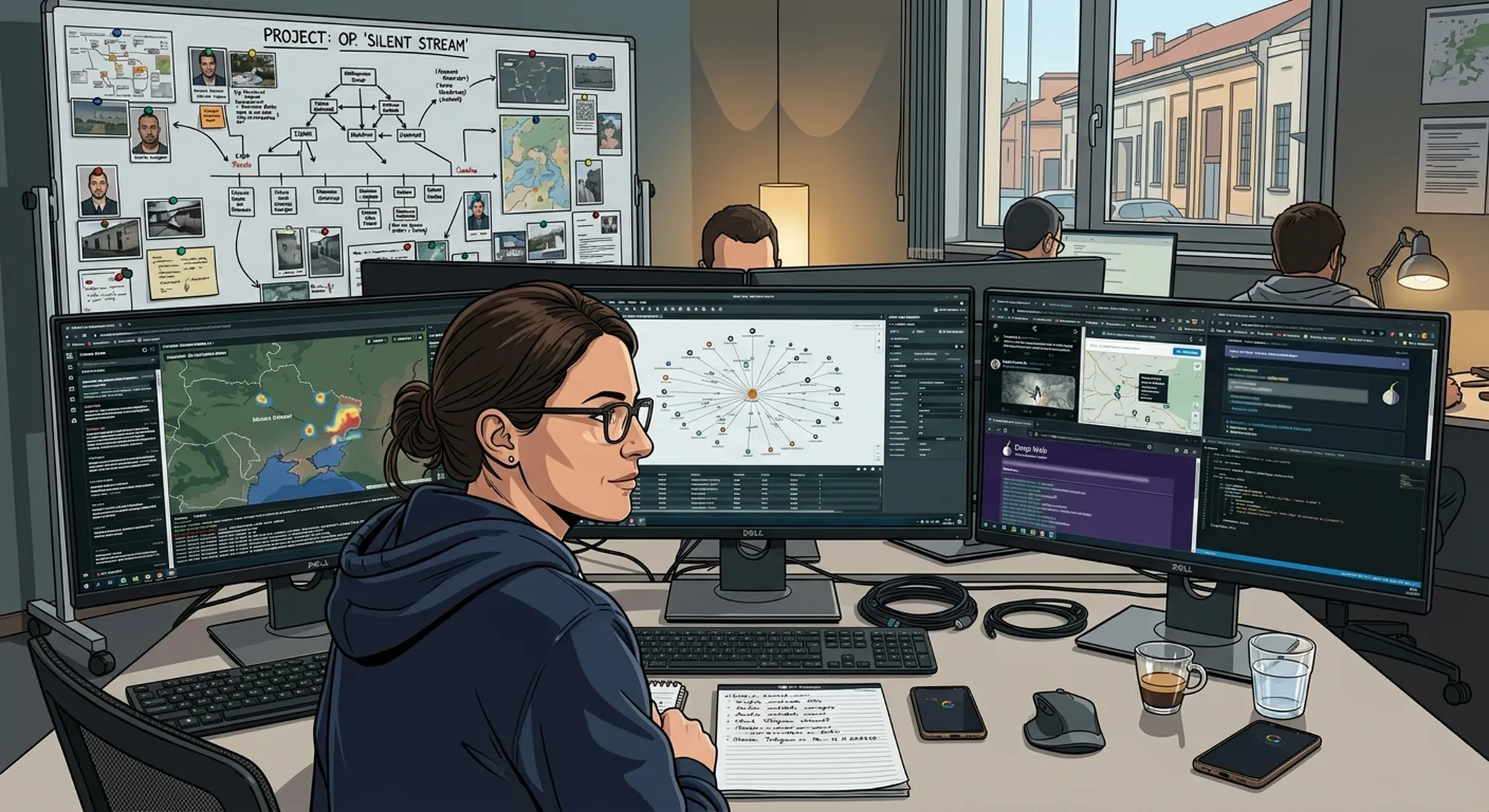
OSINT: L’Arte di Trasformare il Rumore Digitale in Intelligence Strategica
La Psicologia dell’Investigazione e la Gestione dei Bias nell’Analisi OSINT
L’efficacia dell’Open Source Intelligence non dipende esclusivamente dalla potenza di calcolo degli strumenti utilizzati, ma dalla capacità cognitiva dell’analista di navigare tra informazioni contraddittorie. Uno dei pericoli più insidiosi in questa disciplina è il bias di conferma, ovvero la tendenza umana a cercare, interpretare e favorire informazioni che confermino le proprie ipotesi preesistenti. In un contesto dove i dati sono sovrabbondanti, un analista poco esperto può facilmente costruire una narrazione coerente ma totalmente falsa, semplicemente selezionando i frammenti di dati che supportano la sua tesi iniziale. Per contrastare questo fenomeno, le metodologie moderne di intelligence impongono l’uso di tecniche di analisi strutturata, come l’Analisi delle Ipotesi Concorrenti (ACH). Questo processo richiede che l’investigatore non cerchi prove a favore della sua teoria, ma cerchi attivamente di confutarla, valutando simultaneamente diverse spiegazioni alternative per lo stesso set di dati. Solo l’ipotesi che resiste ai tentativi di falsificazione può essere considerata una base solida per l’intelligence strategica.
Inoltre, l’analista deve possedere una profonda comprensione della psicologia sociale per interpretare correttamente i dati provenienti dai social media. Spesso, ciò che appare come un movimento di opinione spontaneo è in realtà il risultato di operazioni di influenza coordinate, note come Astroturfing. In queste campagne, attori statali o gruppi di pressione utilizzano migliaia di account automatizzati per creare l’illusione di un consenso di massa su un determinato tema. Distinguere tra un utente reale e un bot richiede un’analisi che va oltre il semplice contenuto del testo; è necessario studiare la frequenza dei post, la rete di interazioni e persino la metrica del linguaggio utilizzato. Un’indagine OSINT condotta seriamente non prende mai l’informazione per il suo valore nominale, ma scava nel contesto della sua pubblicazione, cercando di capire chi beneficia della diffusione di quel particolare dato e quali siano le possibili motivazioni dietro una fuga di notizie apparentemente accidentale.
Il Dark Web e le Sfide dell’Anonimato nelle Investigazioni Moderne
Spingersi oltre i confini del web indicizzato significa entrare nei territori del Deep Web e, più specificamente, del Dark Web. Contrariamente alla percezione comune che lo vede solo come un rifugio per attività criminali, il Dark Web è una componente essenziale dell’ecosistema informativo per l’OSINT, specialmente quando si tratta di monitorare regimi autoritari o minacce alla sicurezza nazionale. Tuttavia, operare in queste reti, principalmente accessibili tramite protocolli come Tor o I2P, richiede una preparazione tecnica e una sicurezza operativa (OPSEC) di altissimo livello. L’analista che si avventura nei mercati neri digitali o nei forum di hacking deve essere consapevole che ogni sua interazione lascia una traccia, non necessariamente a livello di indirizzo IP, ma a livello comportamentale e di configurazione del browser. Il “fingerprinting” del browser è una tecnica utilizzata dai gestori di siti nel Dark Web per identificare e tracciare i visitatori anche quando utilizzano reti anonime; pertanto, l’uso di ambienti virtuali sterili e l’adozione di identità digitali fittizie (Sock Puppets) non sono solo precauzioni, ma necessità assolute per evitare di compromettere l’intera indagine o, peggio, l’incolumità dell’investigatore.
Le indagini nel Dark Web si concentrano spesso sul monitoraggio dei “Data Leaks”. Quando un’azienda subisce un data breach, i file rubati finiscono solitamente in forum specializzati o siti di dumping. L’attività OSINT in questo ambito consiste nel catalogare queste perdite di dati per identificare credenziali compromesse, segreti industriali esposti o informazioni personali di individui chiave. La difficoltà principale non risiede solo nel trovare il dato, ma nel navigare in un ambiente intrinsecamente basato sull’inganno. Nel Dark Web, la disinformazione è la norma: molti dei database messi in vendita sono falsi, “riciclati” da vecchie violazioni o riempiti di dati generati artificialmente per truffare gli acquirenti. L’analista deve quindi applicare rigorose tecniche di cross-referencing, confrontando i campioni di dati gratuiti forniti dai venditori con informazioni già note per validarne l’autenticità. Questo lavoro di verifica è estenuante e richiede una conoscenza tecnica dei formati di database e delle strutture di crittografia per comprendere come i dati siano stati estratti e se la vulnerabilità sfruttata sia ancora attiva.
L’Analisi delle Criptovalute come Strumento di Intelligence Finanziaria
Strettamente legata alle attività del Dark Web è l’analisi delle blockchain, una branca dell’OSINT che ha rivoluzionato l’intelligence finanziaria. Sebbene le criptovalute come Bitcoin siano spesso descritte come anonime, esse sono in realtà pseudonime e intrinsecamente trasparenti grazie al registro pubblico della blockchain. L’analista OSINT specializzato in “Crypto-Investigation” utilizza strumenti di euristica per raggruppare diversi indirizzi appartenenti alla stessa entità. Attraverso l’osservazione dei flussi di transazioni, è possibile mappare il percorso del denaro da un mercato illegale fino a un “Exchange” dove le monete vengono convertite in valuta fiat. Questa tracciabilità permette di identificare i nodi centrali del riciclaggio di denaro digitale. Tuttavia, la sfida si è fatta più complessa con l’ascesa delle “Privacy Coins” come Monero e l’uso di servizi di “mixing” o “tumbling”, progettati specificamente per spezzare il legame tra l’origine e la destinazione dei fondi. In questo scenario, l’intelligence non si basa più solo sulla matematica della blockchain, ma deve essere integrata con dati provenienti da altre fonti OSINT, come forum di discussione o profili social, dove gli attori criminali potrebbero aver commesso l’errore di condividere un indirizzo wallet o un dettaglio transazionale che li collega alla loro identità reale.
L’Integrazione tra AI e Fattore Umano: Il Futuro della Disciplina
Guardando verso il futuro dell’OSINT, l’automazione giocherà un ruolo sempre più preponderante, ma non potrà mai sostituire il giudizio critico dell’analista umano. L’intelligenza artificiale eccelle nel processare volumi massicci di dati, come la scansione di milioni di post per identificare segnali deboli di una crisi imminente o il monitoraggio costante di migliaia di feed video per il riconoscimento facciale. Tuttavia, l’IA è vulnerabile alle allucinazioni e non comprende il contesto geopolitico o culturale complesso. Un algoritmo potrebbe identificare correttamente la presenza di un determinato veicolo in una zona di guerra, ma solo un analista umano può interpretare se quella presenza indichi un’imminente offensiva, un’operazione di peacekeeping o un tentativo di depistaggio visivo. Il futuro della disciplina risiede nella simbiosi: l’IA agirà come un setaccio, eliminando il rumore di fondo e portando all’attenzione dell’esperto solo le anomalie rilevanti, permettendo all’essere umano di concentrarsi sull’interpretazione strategica e sulla sintesi finale.
In questo equilibrio tra tecnologia e intuizione, l’etica diventerà il terreno di scontro principale. La capacità di raccogliere informazioni su chiunque, in qualsiasi momento, solleva interrogativi profondi sulla natura della privacy e sul diritto all’oblio. Le organizzazioni che praticano l’OSINT dovranno dotarsi di quadri normativi interni estremamente rigidi per evitare che la ricerca della verità si trasformi in uno strumento di sorveglianza indiscriminata. L’intelligence, per sua natura, serve a ridurre l’incertezza per i decisori, ma nel farlo non deve minare le basi democratiche della società che mira a proteggere. La trasparenza dei metodi, il rispetto dei limiti legali e la trasparenza sulle fonti diventeranno i nuovi standard di eccellenza per la comunità OSINT globale.